

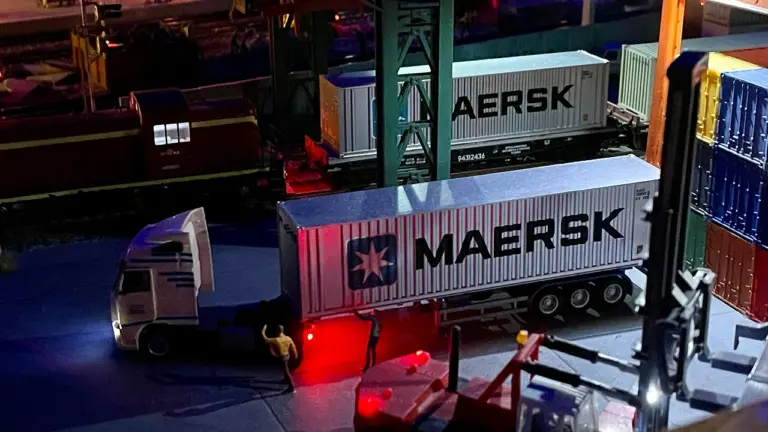
In a world where supply chains power modern business, the right freight solution can mean the difference between a smooth shipment and a costly disruption. Whether you’re sending a few palletized boxes to a retail partner, shipping temperature-sensitive goods across states, or arranging specialized transport for oversized machinery, knowing your freight options helps you control cost, risk, and timing. This article — From Pallets to Oversized Loads: Freight Options That Fit Your Needs — breaks down the most common freight choices, when to use them, and what to consider so your cargo always travels the right way.
Understanding Freight Types and When They Matter
Freight isn’t one-size-fits-all. The characteristics of your shipment — weight, dimensions, fragility, value, and delivery urgency — define which transport mode and service level will best fit your needs. At a high level, freight options fall into categories like palletized shipments, less-than-truckload (LTL), full-truckload (FTL), intermodal, temperature-controlled (refrigerated), hazardous materials, and oversized/heavy-haul transport.
Choosing the correct option helps you:
-
Reduce costs by avoiding overpaying for unused capacity.
-
Minimize damage by matching handling requirements to cargo sensitivity.
-
Improve delivery predictability via appropriate transit times and carrier expertise.
-
Remain compliant with regulations that apply to certain cargo types (hazmat, oversized).
Below are practical breakdowns of the most common freight solutions and how to pick between them.
Pallets and Standard Freight: The Foundation of Modern Shipping
Palletized freight is the backbone of many supply chains. When goods are loaded on standardized wooden or plastic pallets, they become faster to handle, easier to stack, and more compatible with forklifts and warehouse racking.
When to use palletized freight:
-
You have multiple boxes or packages going to the same consignee.
-
You need efficient handling during loading and unloading.
-
You want a cost-effective balance between protection and logistics speed.
Typical options for palletized freight:
-
Less-Than-Truckload (LTL): Ideal for shipments that don’t require a whole truck. LTL carriers combine multiple shippers’ pallets on one trailer, which lowers cost. LTL is good for pallets weighing roughly 150–10,000 lbs (varies by carrier), but expect longer transit times due to hub-and-spoke consolidation.
-
Full-Truckload (FTL): If you fill an entire trailer with pallets or need door-to-door speed without intermediate handling, FTL is the right choice. FTL reduces touchpoints and often lowers damage risk.
-
Pallet Exchange and Pooling Services: For high-frequency shippers, using reusable pallet pools can reduce packaging costs and speed return logistics.
Key considerations for pallets:
-
Standardize pallet size and unit loads to reduce confusion and surcharge risks.
-
Use stretch wrap, corner protectors, and proper pallet stacking patterns to prevent collapse.
-
Label clearly and provide accurate dimensions and weights to avoid reweigh fees or misrouting.
LTL vs. FTL — Making the Right Call
Deciding between LTL and FTL often depends on cost vs. speed trade-offs:
-
Choose LTL to save money on partial loads; accept longer transit and more handling.
-
Choose FTL if speed, security, or fragile/high-value cargo make fewer handoffs critical.
If your shipment is time-sensitive or particularly fragile, FTL or expedited LTL services may be necessary despite higher cost.
Specialized Freight: Temperature-Controlled, Hazardous, and White-Glove
Not all shipments tolerate standard handling. Specialized freight solutions protect sensitive goods and meet regulatory requirements.
Refrigerated (Reefer) Transport:
-
Necessary for perishables, pharmaceuticals, and any temperature-sensitive materials.
-
Choose carriers with active temperature monitoring, real-time alerts, and validated cold-chain procedures.
-
Packaging and pre-cooling play a big role — a reefer can only maintain, not rapidly cool, improperly prepared cargo.
Hazardous Materials (HAZMAT):
-
Shipping materials classified as hazardous requires certified carriers, special placarding, and strict documentation.
-
Mis-declaring hazardous goods can result in fines, delays, and safety incidents — always work with trained logistics partners.
White-Glove and Last-Mile Services:
-
For high-value consumer goods, fragile art, medical devices, or B2B installations, white-glove services provide inside delivery, unpacking, assembly, and debris removal.
-
These services add cost but significantly reduce damage risk and improve customer experience.
Oversized and Heavy Haul: Moving Beyond Standard Trailer Limits
When freight exceeds normal dimensions or weight limits — think industrial equipment, wind-turbine components, or large construction machinery — you enter the world of oversized or heavy-haul shipping. This category demands specialized equipment, permitting, routing, and coordination.
Key elements of oversized transport:
-
Special trailers and modular equipment: Lowboys, multi-axle hydraulic trailers, and extendable flatbeds distribute weight and accommodate long or tall loads.
-
Permits and escorts: Oversized loads often require permits from state or local authorities and may need pilot cars/escort vehicles, particularly for wide, tall, or long shipments.
-
Route engineering: Bridges, overpasses, tight turns, and road weight limits must be analyzed and, in some cases, temporary infrastructure adjustments planned.
-
Timing and staging: Moving oversized loads often requires night or weekend moves to minimize traffic disruption and coordinate escorts.
When to choose heavy-haul services:
-
Your cargo exceeds legal width, height, length, or weight restrictions for standard trailers.
-
You need specialized loading/unloading equipment and experienced drivers trained in abnormal load handling.
-
You require a full-service solution that includes permits, route planning, and on-site supervision.
The Cost of Oversized Shipping — And How to Manage It
Oversized shipments are inherently more expensive due to equipment, labor, permits, and time. Mitigate costs by:
-
Consolidating multiple oversized pieces into fewer moves when possible.
-
Scheduling during off-peak hours to avoid extended escort times.
-
Working with carriers experienced in permit consolidation across multiple jurisdictions.
Intermodal, Air, and Expedited: Choosing Based on Speed and Cost
Beyond trucks, shippers can leverage multiple modes to balance speed and expense.
Intermodal (Rail + Truck):
-
Uses rail for long-haul moves with trucks handling first/last-mile delivery.
-
Often more fuel-efficient and cost-effective for heavy, long-distance freight.
-
Best for predictable schedules where a few extra days in transit are acceptable.
Air Freight:
-
Fastest but most expensive. Ideal for high-value, time-critical shipments (e.g., replacement parts, urgent medical supplies).
-
Requires careful packaging and security checks, and may have restrictions on size and hazardous materials.
Expedited Trucking:
-
For urgent domestic shipments, expedited ground services guarantee faster pickups and direct transit with limited stops.
-
More expensive than standard ground but often cheaper than air for short to medium distances.
How to Choose the Right Option — Practical Decision Criteria
Choosing “the right way” to ship requires evaluating:
-
Dimension and weight: Determines whether standard trailers, specialized equipment, or air freight are required.
-
Delivery timeframe: Urgency can move you from LTL to FTL, expedited ground, or air freight.
-
Cargo sensitivity: Fragile, temperature-controlled, or hazardous goods need specialized carriers and handling.
-
Cost constraints: Balance total landed cost (freight + inventory carrying + risk) rather than just freight rate.
-
Frequency and volume: High-frequency shippers can negotiate better rates, pallet programs, or dedicated capacity.
-
Regulatory needs: Oversized and hazmat shipments demand compliance expertise and time for permitting.
Work with carriers that provide clear dimension/weight rules, transparent pricing, and consultative planning — the right partner reduces surprises.
Best Practices for Preparing Any Shipment
No matter the freight option, these steps improve outcomes:
-
Accurately measure and weigh each shipment; carriers charge for discrepancies.
-
Secure and protect cargo with appropriate packaging and blocking/bracing.
-
Provide complete and correct documentation, including special handling instructions.
-
Insure high-value goods and consider declared value options with carriers.
-
Use tracking and proactive communication to manage exceptions early.
Conclusion: Matching Mode to Mission
From pallets to oversized loads, the universe of freight options is broad — and selecting the right one is a strategic decision that affects costs, timing, and customer satisfaction. By assessing your cargo characteristics, delivery urgency, and risk tolerance, you can choose between palletized LTL or FTL, temperature-controlled solutions, specialized oversized carriers, intermodal services, or expedited air transport. Partnering with experienced carriers who offer consultative planning, real-time visibility, and compliance expertise helps ensure your freight moves safely, legally, and cost-effectively.